
Robotaxi plans for London ‘must protect drivers’, GMB Union states
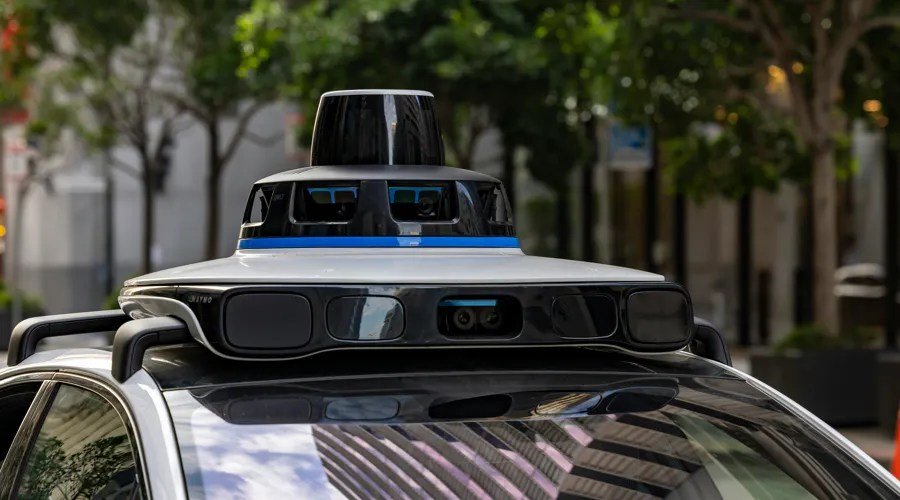
Londoners can now hail the UK’s first self-driving minicabs as Uber launches an autonomous fleet in partnership with British AI firm Wayve.
The initial rollout consists of 15 vehicles operating on standard fares through the Uber app, though a non-speaking human safety driver remains legally required behind the wheel to take control if anything goes wrong.
Introducing autonomous vehicles to London has taken years because of strict regulatory oversight, with the Department for Transport and Transport for London prioritising rigorous safety testing over a hasty rollout. Navigating London’s complex layout, narrow streets, and heavy traffic presents challenges unseen in relatively easy-to-navigate, grid-patterned American cities.
Safety concerns were highlighted during a recent test ride by BBC technology editor Zoe Kleinman, where the safety driver was forced to physically intervene when the doors of a parked van suddenly swung open on a narrow road.
Beyond technology and road safety, the transition has triggered major labour concerns. The GMB Union has warned that the expansion of robotaxis threatens hundreds of thousands of driving jobs and could cause widespread economic distress.
Said David McMullen, GMB Senior Organiser:
“With hundreds of thousands of people employed to drive every day, we need to be really careful with the roll-out of driverless cars unless we are prepared to see unprecedented levels of social and economic disruption.”
McMullen added that the union has called on TfL and the government to urgently develop a plan to protect drivers and hold operators accountable. “Until a plan is put in place to manage this transition and support drivers, it is premature to move to ‘driverless’ services,” he said, emphasising that it is vital to consider workforce implications before full automation expands further.
EDITOR’S VIEW
I love tech, and I love writing about shiny new gadgets, but on the subject of autonomous, or Robo, taxis, I find myself very much on the side of the human taxi driver. Why? Because I can’t see a compelling reason for replacing them. At least not yet.
Not because I love the banter of human drivers (I really don’t), but I can’t really see who benefits from the tech except the billionaire operators of companies like Uber – at least not yet.
Robotaxis won’t be any cheaper, won’t be any safer (even on the first test drives of journalists, a human was needed to intervene) and, most studies show, they’re not popular with the general public.
A further problem, of course, is that replacing human drivers with our robot overlords isn’t going to cause mass unemployment – at least in the short term. It will also lead to some very difficult and complex legal cases if and when a pedestrian is killed, especially if the robotaxi is hacked by a belligerent foreign power, as seems entirely possible.
It all reminds me of a couple of years ago when the guy near us who painted the lines for the local football pitches was replaced by a robot line marker. A team of tecchies swarmed onto the playing fields to set up the robot, which had to be used in conjunction with a camera mounted quite high up to give instructions to the robot about where to paint the lines.
Of course, it cost an absolute fortune and kept breaking down as the camera and line marker failed to communicate properly with one another. After great expense of getting the tecchies back in to fix things, it was of course decided to give the old guy who painted the lines his job back. And since then, nothing more has been seen of the robot line marker – much to the displeasure of the local dogs who used to love chasing it across the field once a week!
Discover more from Tech Digest
Subscribe to get the latest posts sent to your email.
