
Nvidia to buy AI platform Hugging Face, Uber/Wayve launch UK’s first Robotaxis
 Nvidia will buy the popular developer platform Hugging Face for nearly $13bn, betting that support for open AI models could offset a potential slowdown in demand for the semiconductor giant’s chips. Shares in Nvidia were slightly lower after the $12.93bn (£9.57bn) deal – which ranks among its biggest ever – was announced for the database of AI models on Thursday. The New York-based startup Hugging Face, which is backed by Intel, Advanced Micro Devices and Amazon, was founded in 2016 by the French entrepreneurs Clément Delangue, Julien Chaumond and Thomas Wolf. The Guardian
Londoners are able to hail the UK’s first robotaxis – as Uber today becomes the first company to launch a self-driving minicab. Initially, it only has 15 autonomous vehicles with a licence to operate in the city, and each one must have a human safety driver behind the wheel ready to take control if anything goes wrong. Uber said it surveyed London-based customers via the app and more than 100,000 said they would choose a self-driving taxi if one was available, despite incidents of driverless rides malfunctioning in US cities where they already operate. As I found out when I became the first UK journalist to hail one, it was mostly smooth but the safety driver did intervene on one occasion. BBC
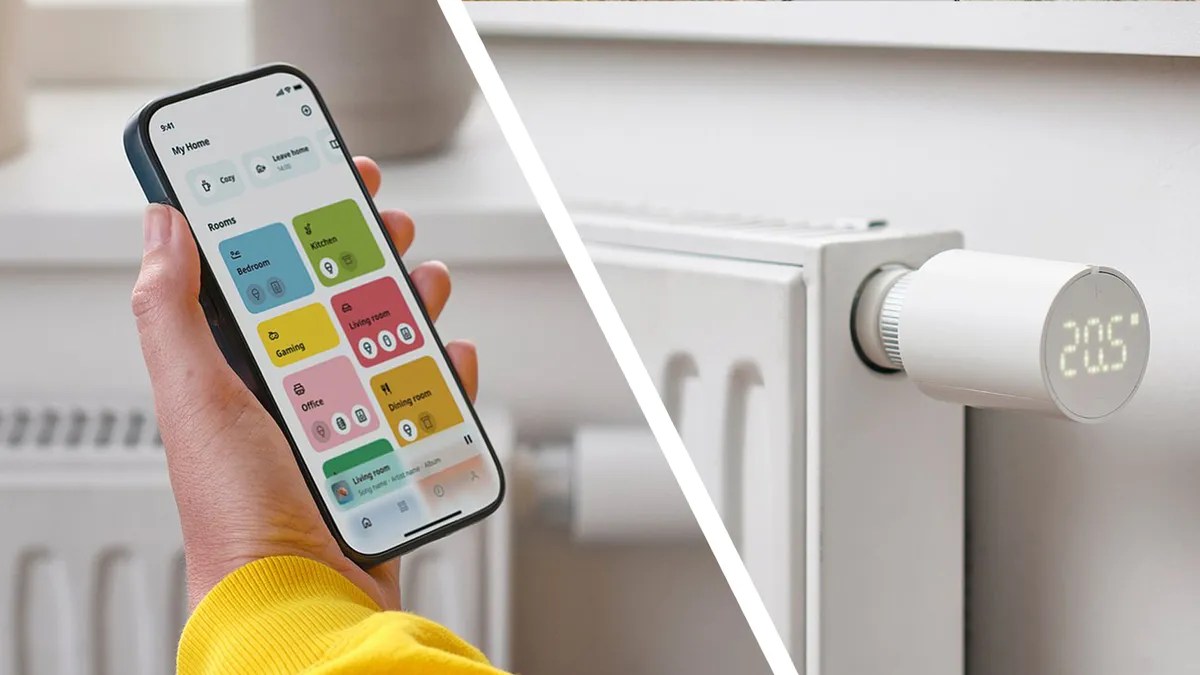
IKEA isn’t slowing down when it comes to launching smart home products — see the smart sensors and wireless lights it’s already pushed out this year, for example — and the latest new device to catch our eye is a smart radiator thermostat called the IKEA Liljebagge. We’re relying on WinFuture and a fair bit of Google Translate to tease out the details here, but it seems there’s support for the Matter and Thread standards, and a retail price of just €15. The WinFuture article talks about IKEA “preparing” to launch this thermostat, but it’s already popped up on the IKEA website in Sweden. Tech Radar
A cyber security company has found that there is a 93% probability of a major attack on battery energy storage (BESS) infrastructure in the next five years. The concern follows the Iranian-linked hacking of a small UK power plant last month. A single major attack on BESS is estimated to cost the country between £2 billion and £10 billion. In the UK, the effects from an attack are often more concentrated than in the US, as the modelling finds that compromising 29% of national capacity could be sufficient to trigger a nationwide outage. Energy Live News
Google on Wednesday announced the release of Gemini 3.8 Flash in an attempt to reclaim its reputation as a top-tier model maker in the process. The company’s commitment to the frontier model race has been in doubt since at least early August when Google DeepMind CEO Demis Hassabis stepped down to become chairman of the AI research biz and Koray Kavukcuoglu took over leadership under a less exalted title, SVP. Google CEO Sundar Pichai’s reassurances weren’t particularly convincing in light of the company’s failure to release Gemini 3.5 Pro in June as promised. The Register
Discover more from Tech Digest
Subscribe to get the latest posts sent to your email.
